








Pendant lights
Setting the scene in the room
Suspended pendant lights come in a wide variety of shapes, colours or materials. Let us enlighten you regarding the most important selection criteria.
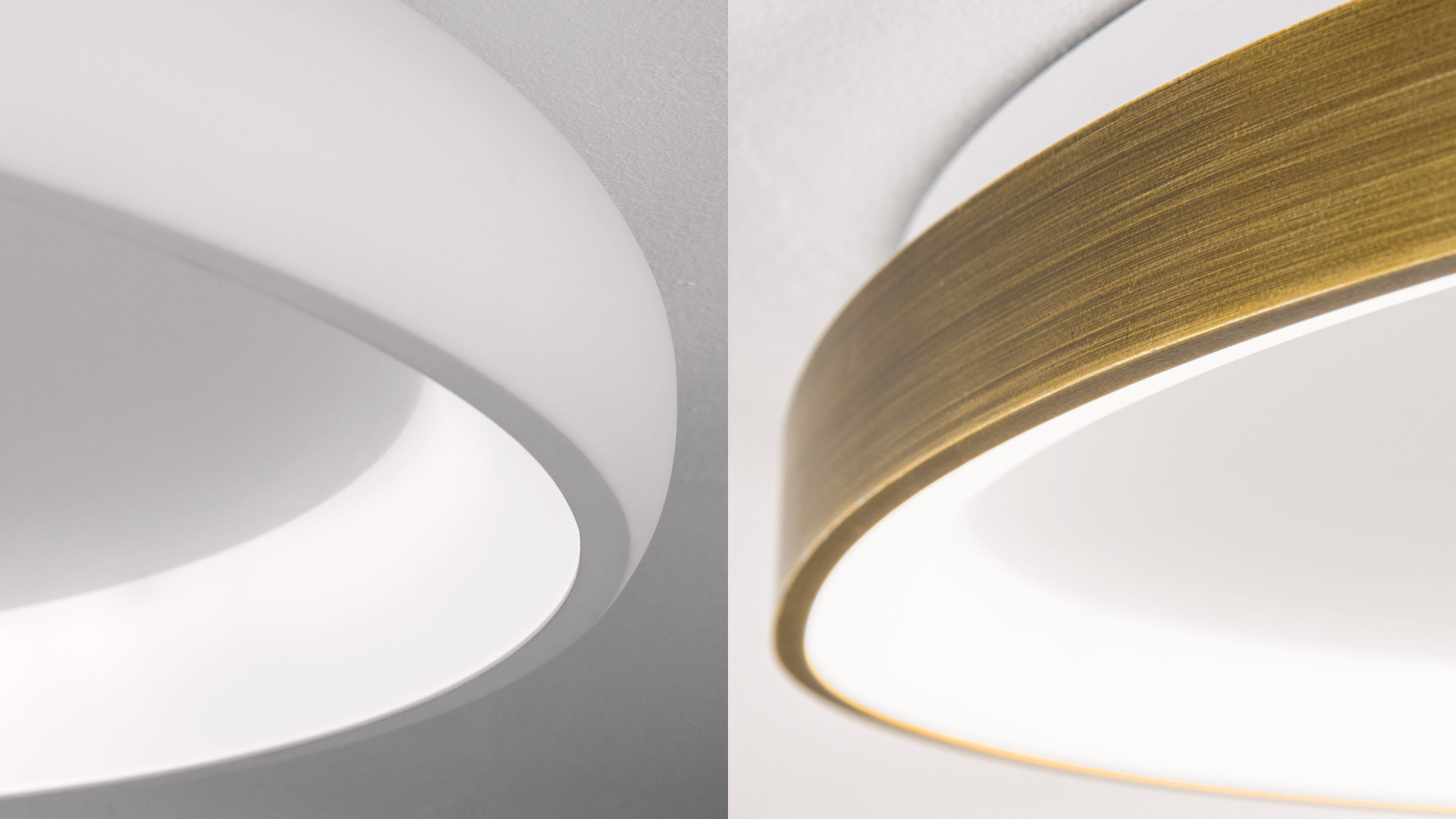
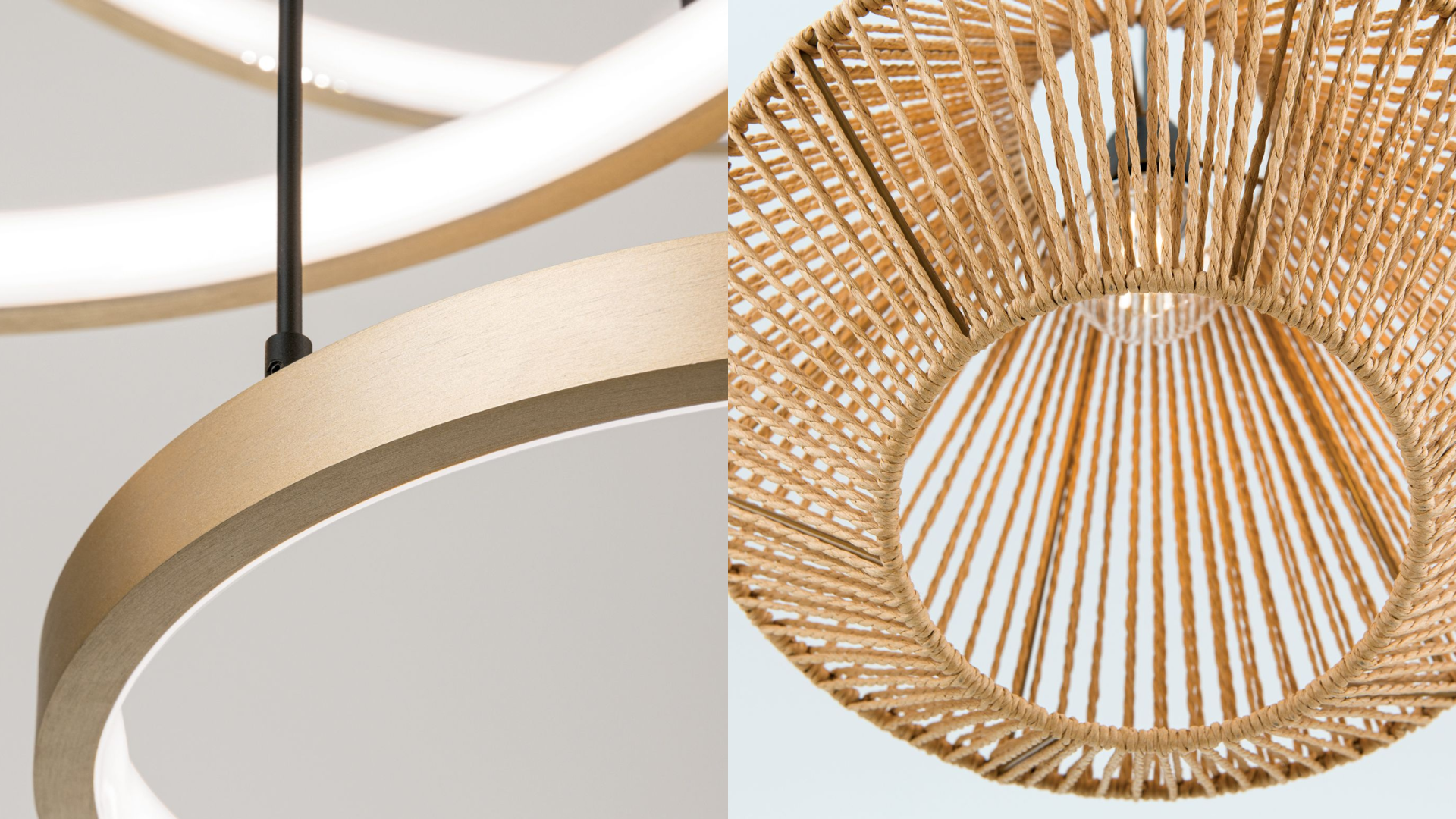

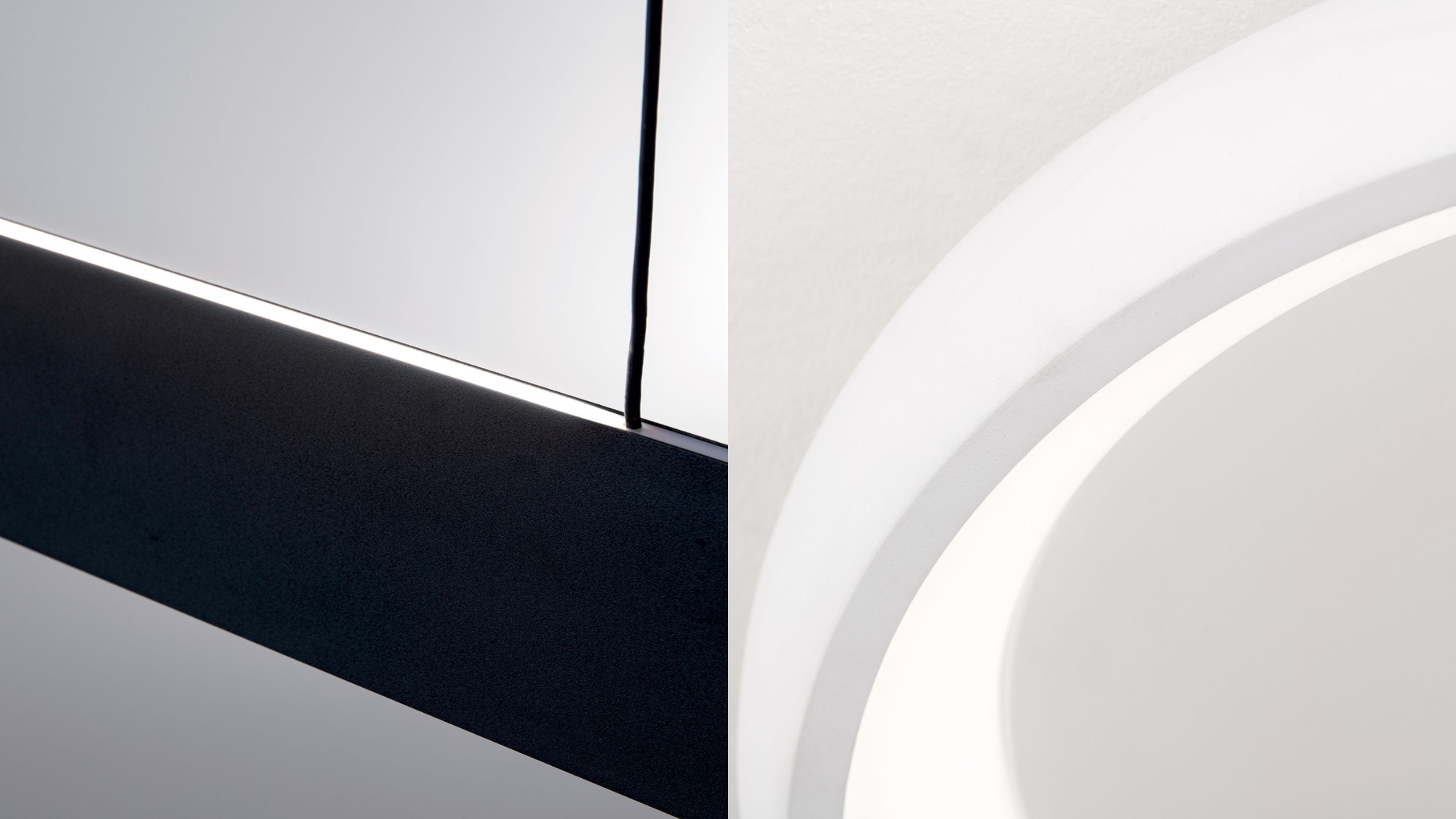
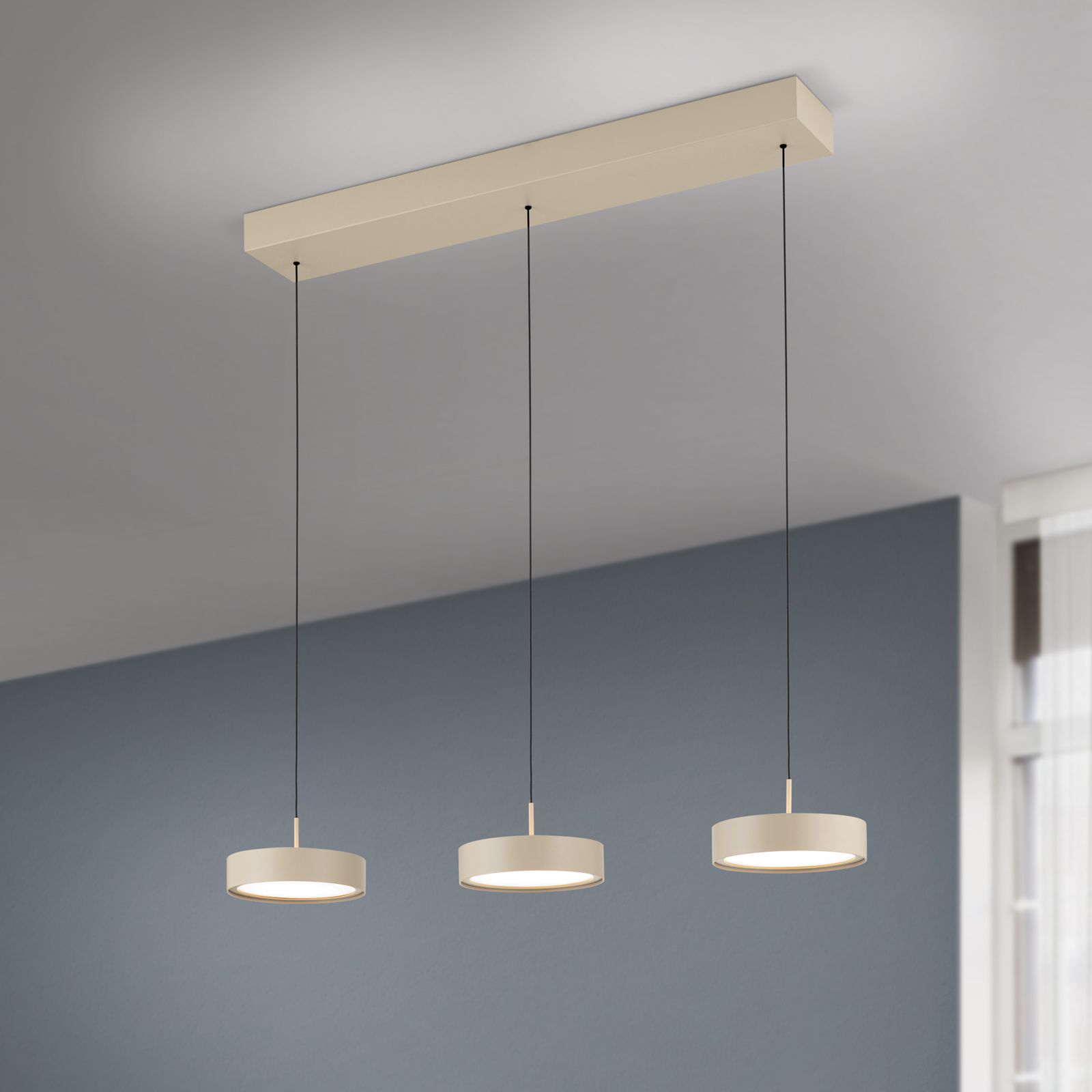
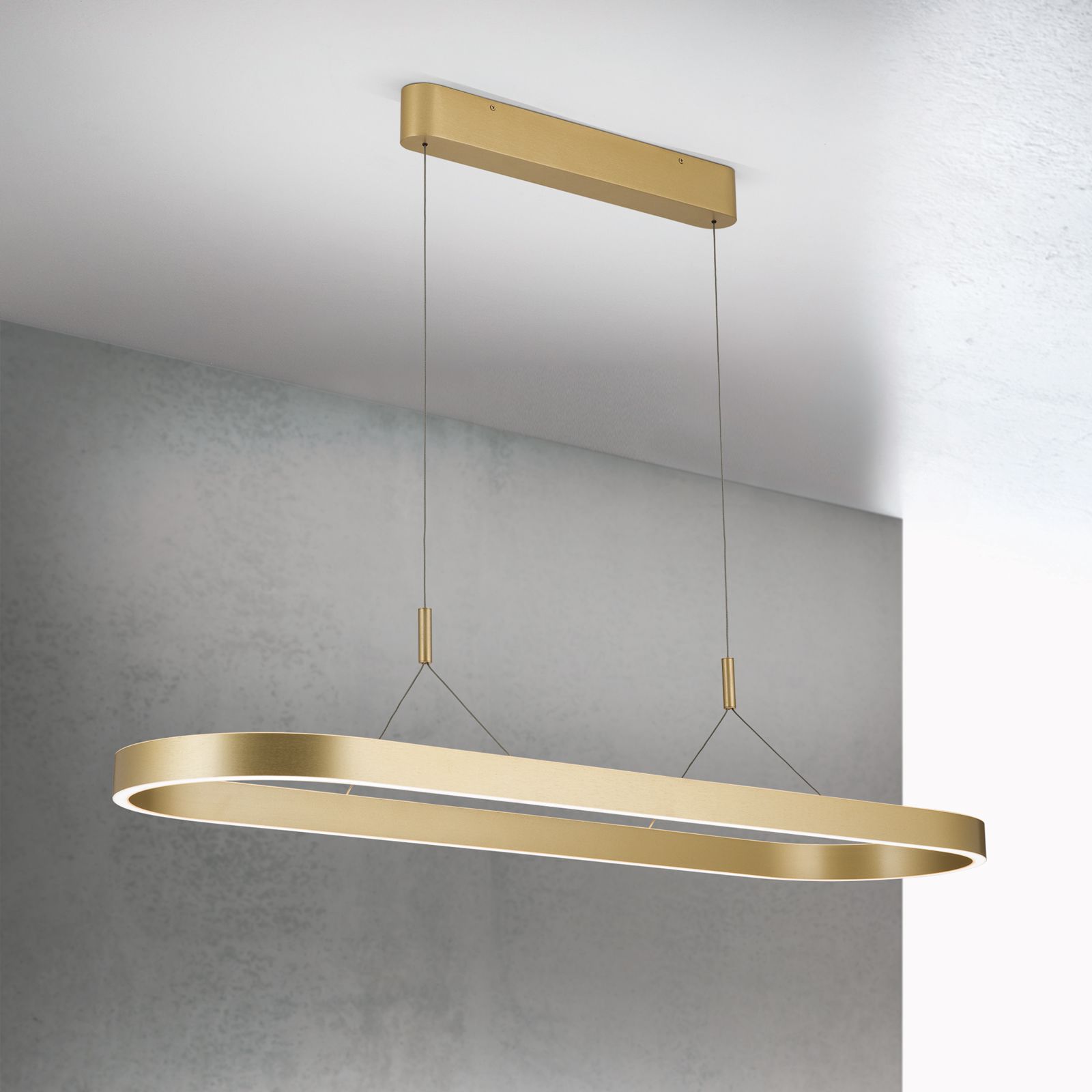
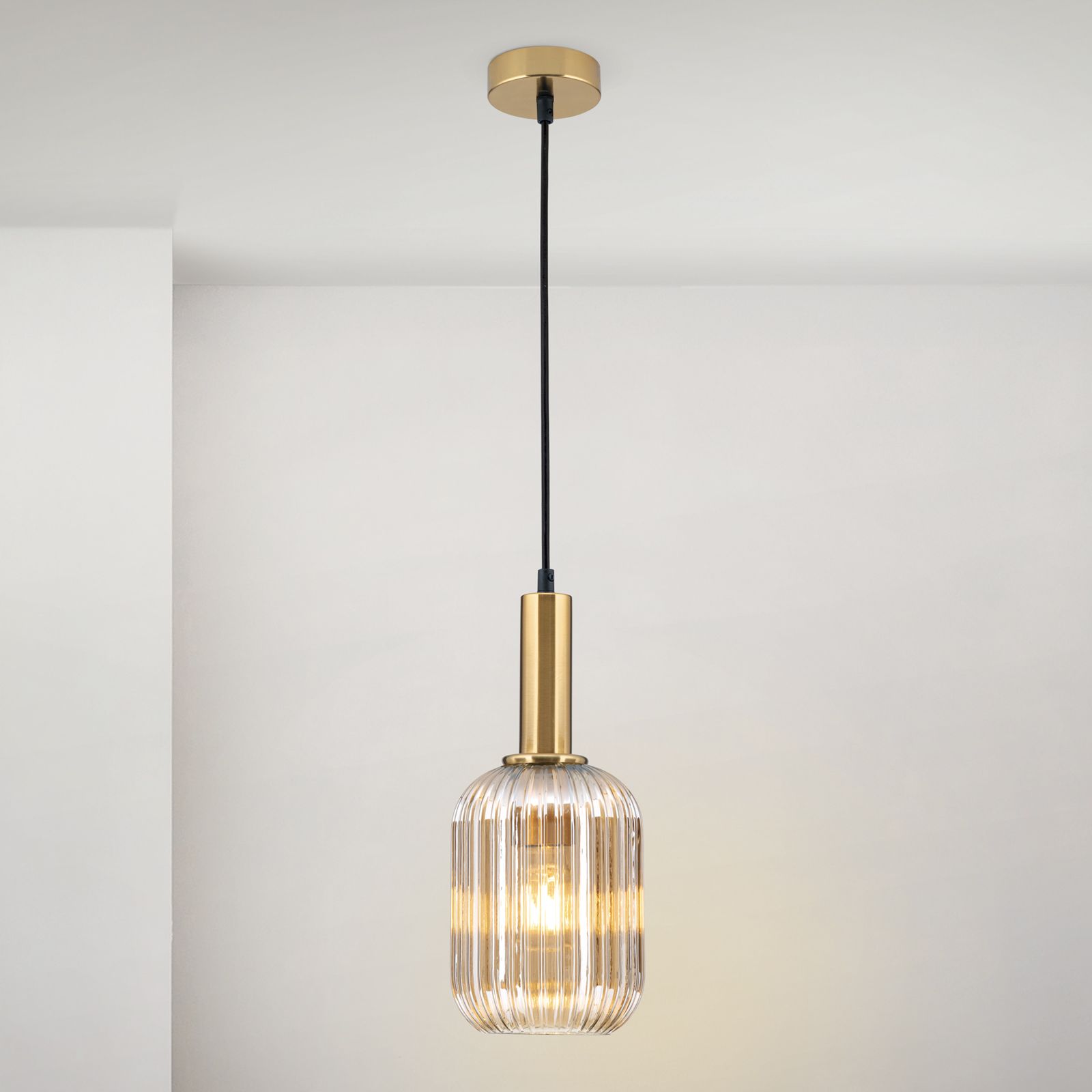
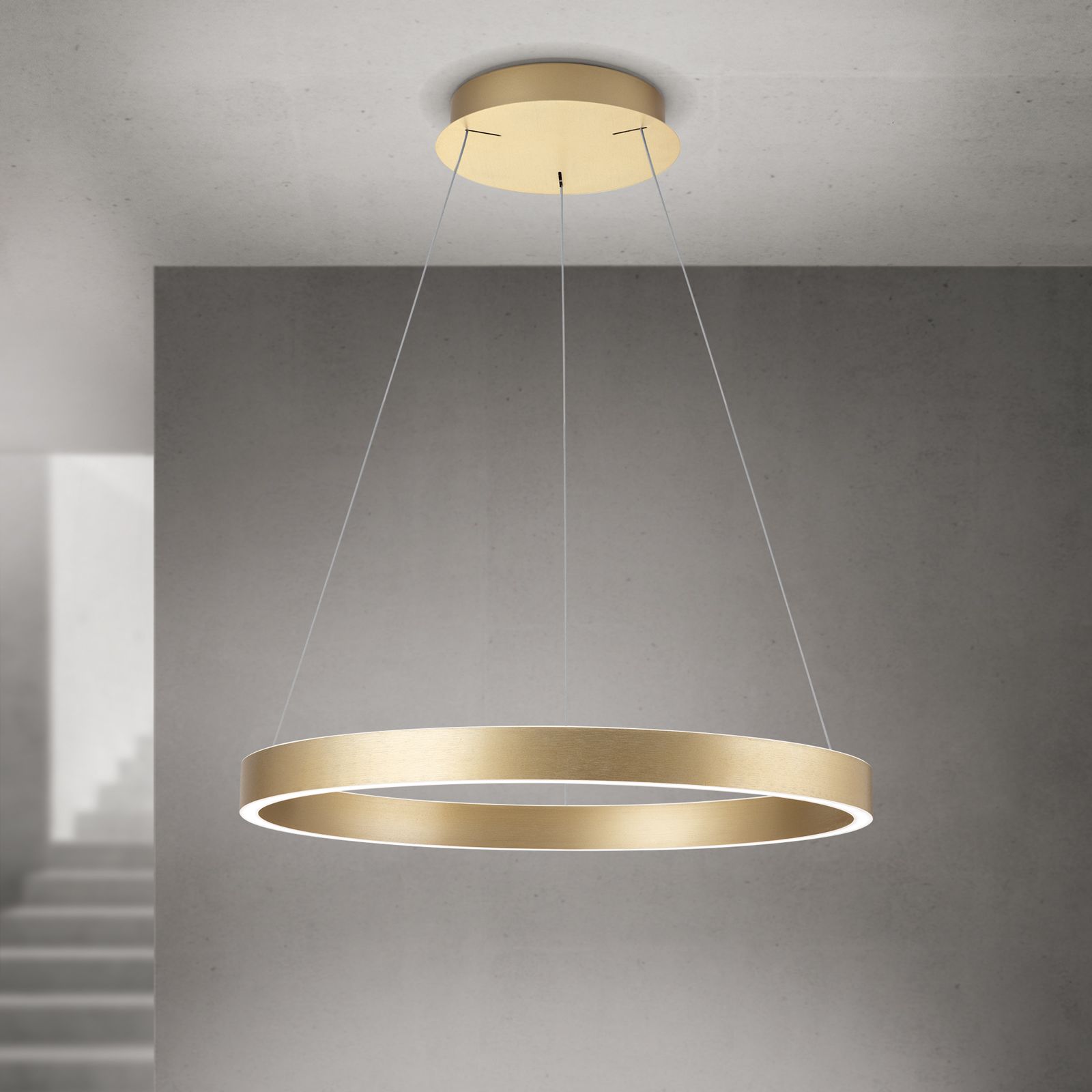
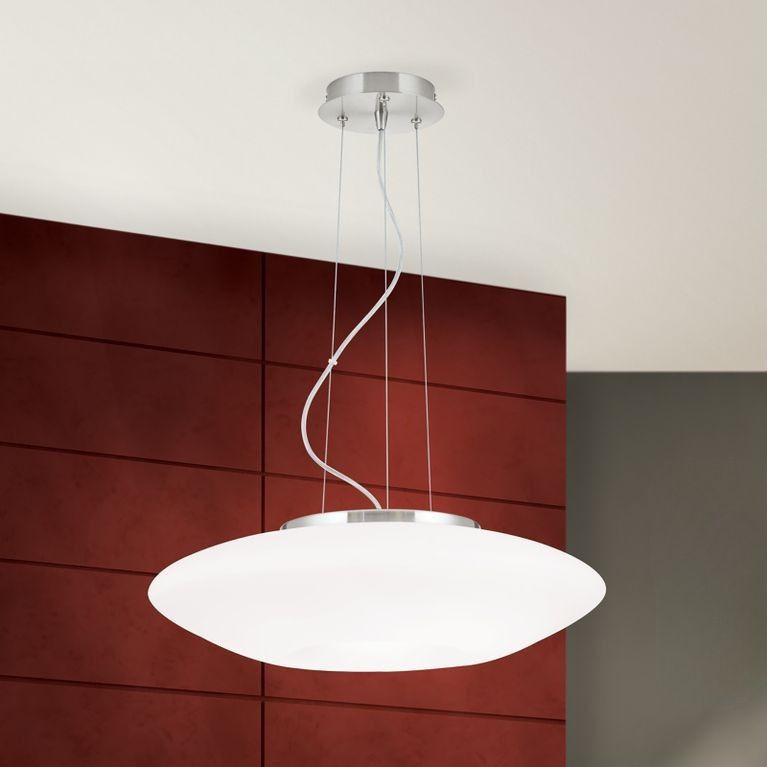
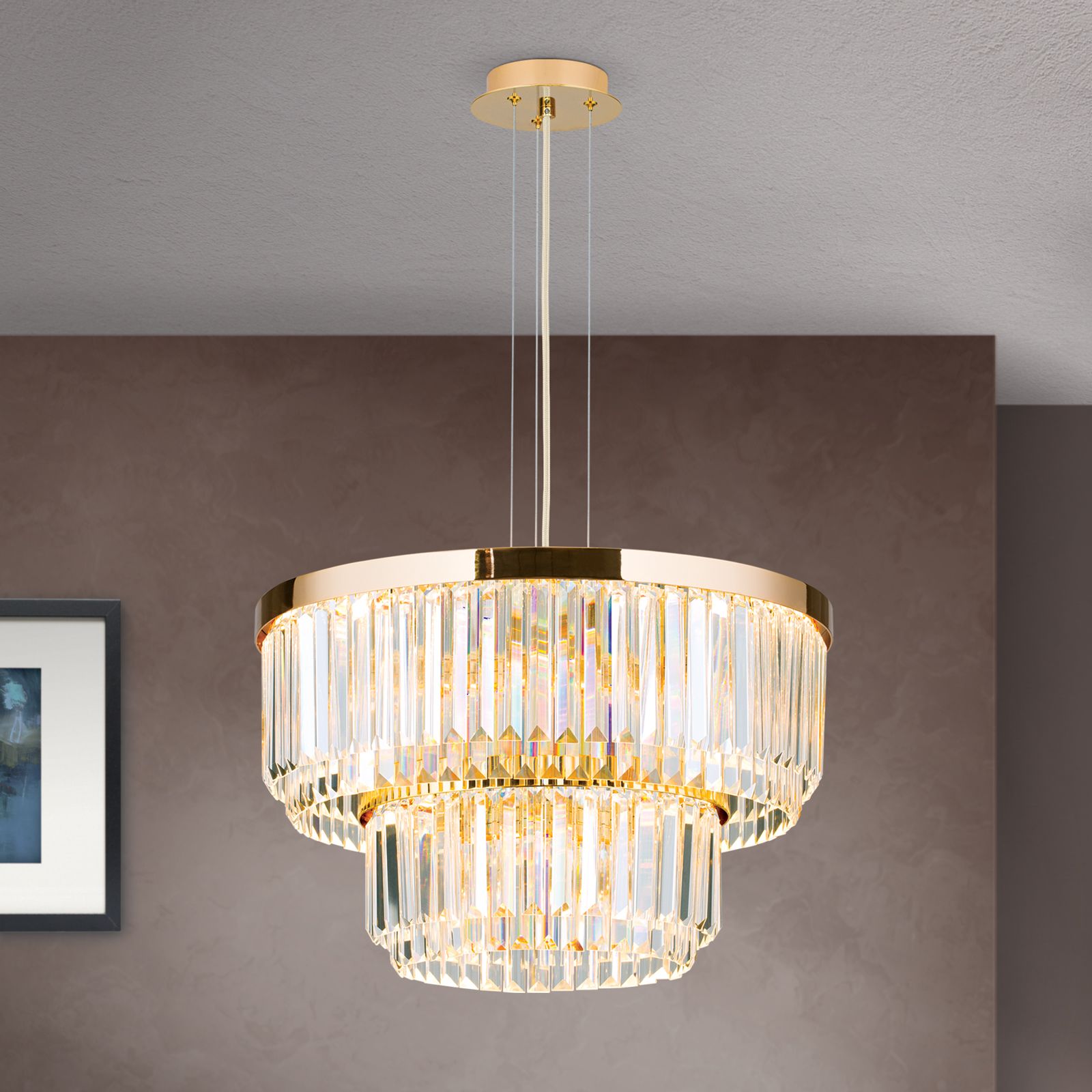
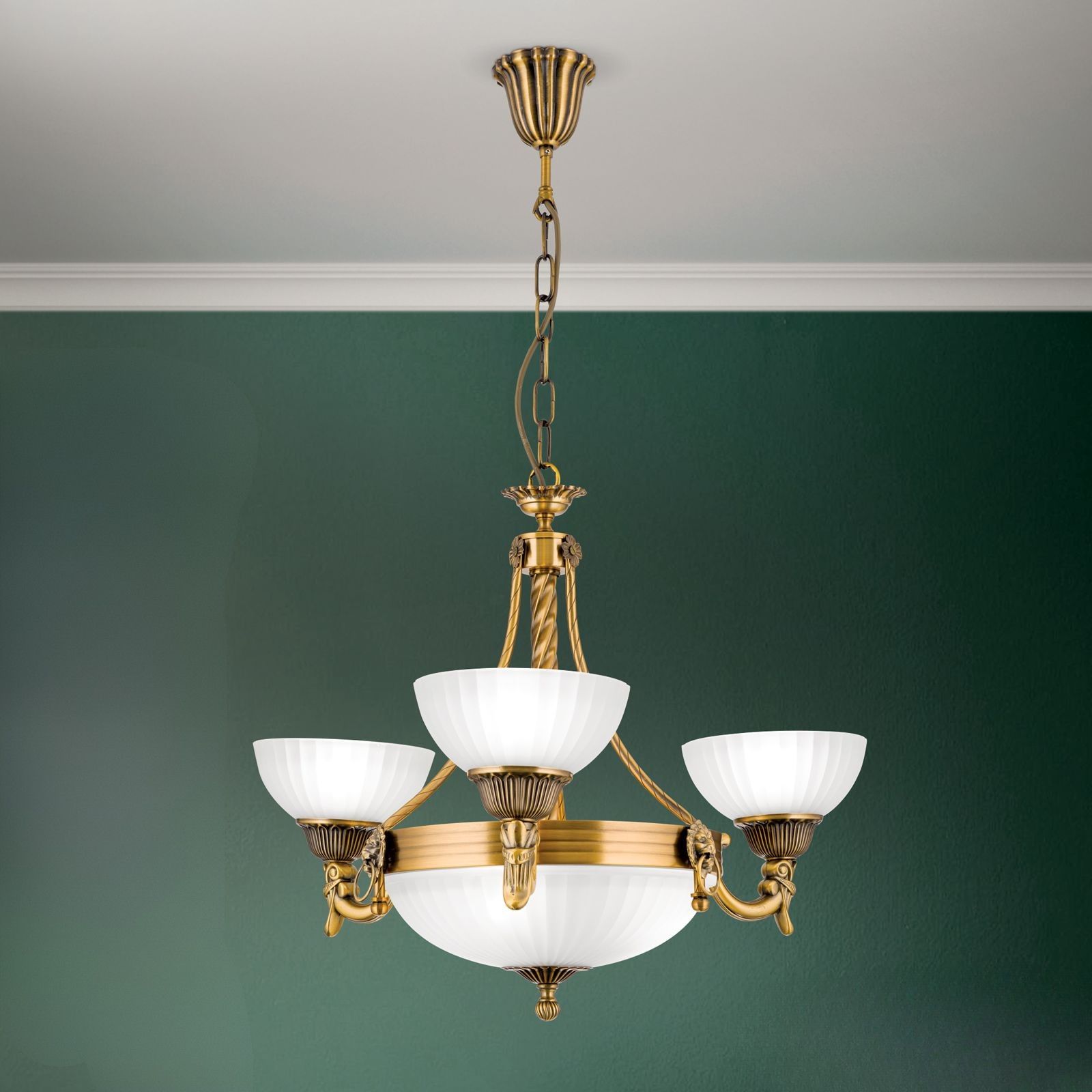
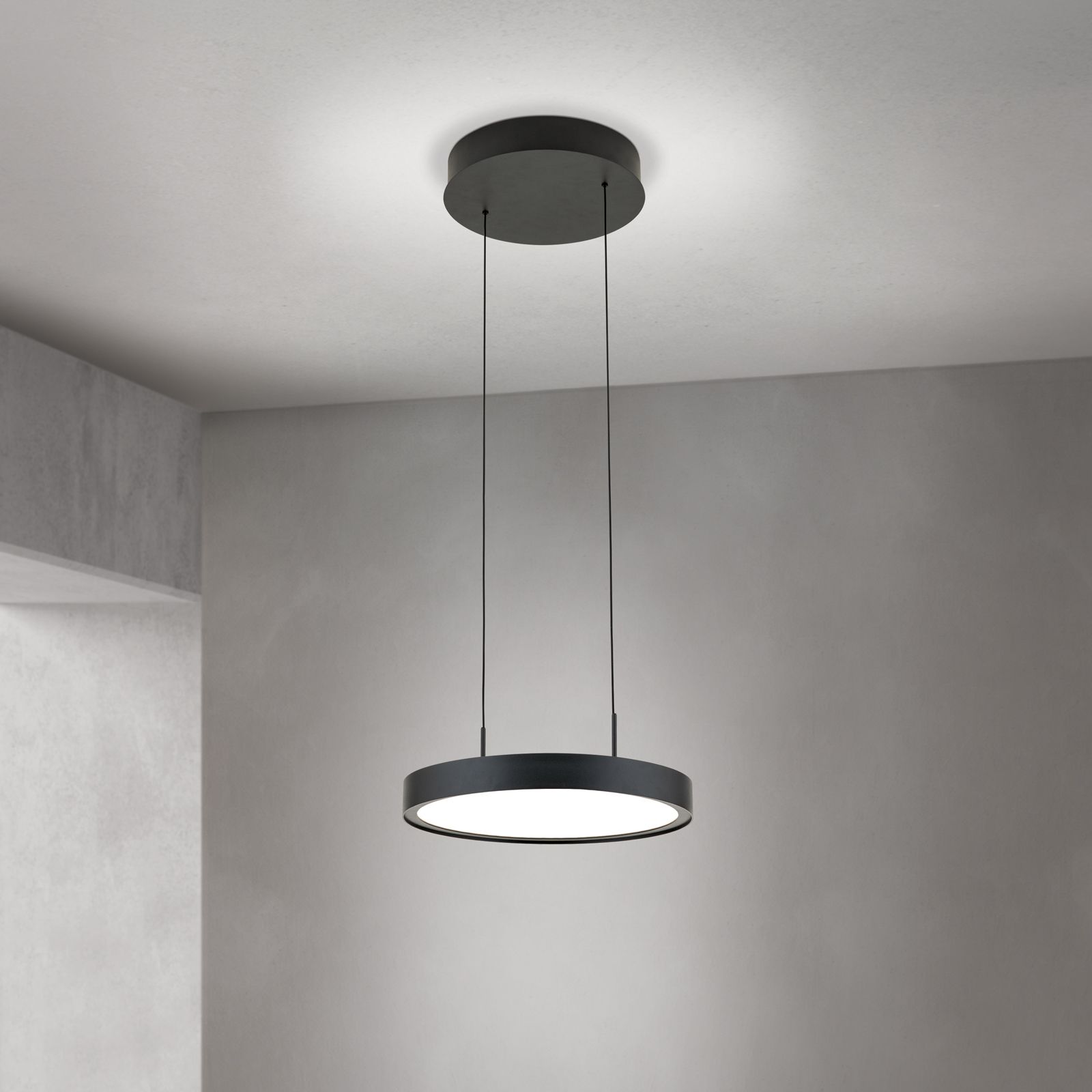
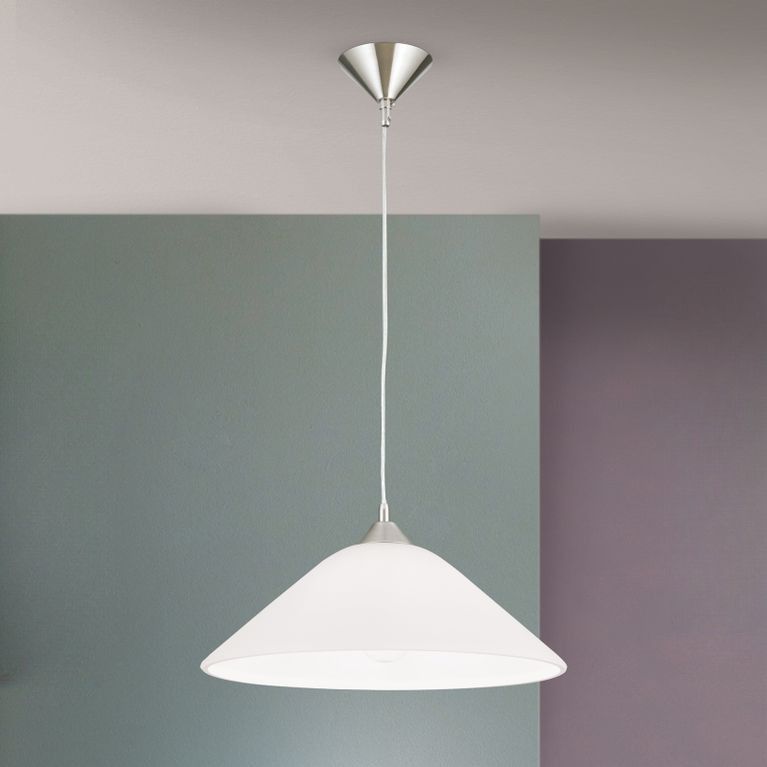
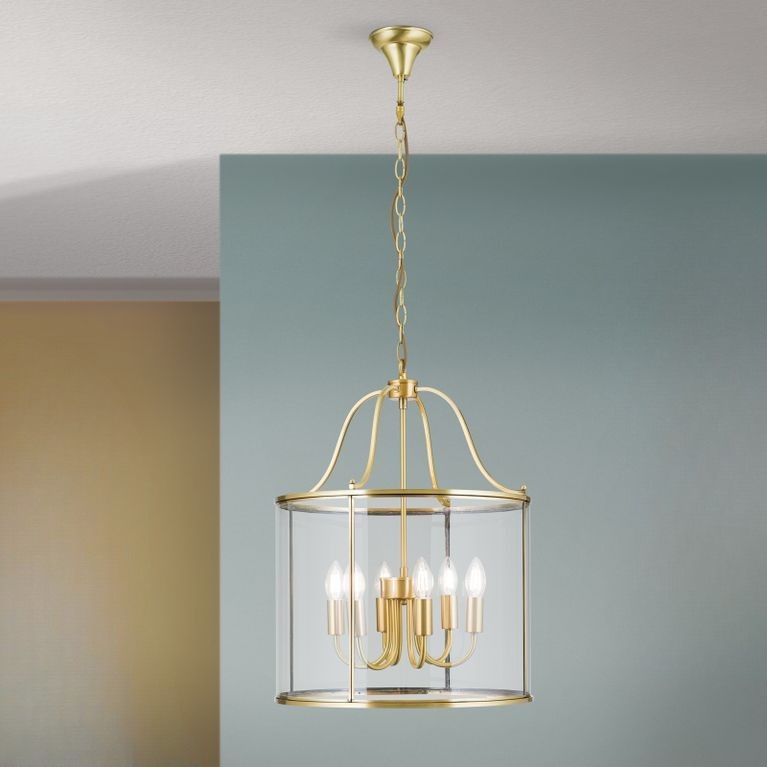

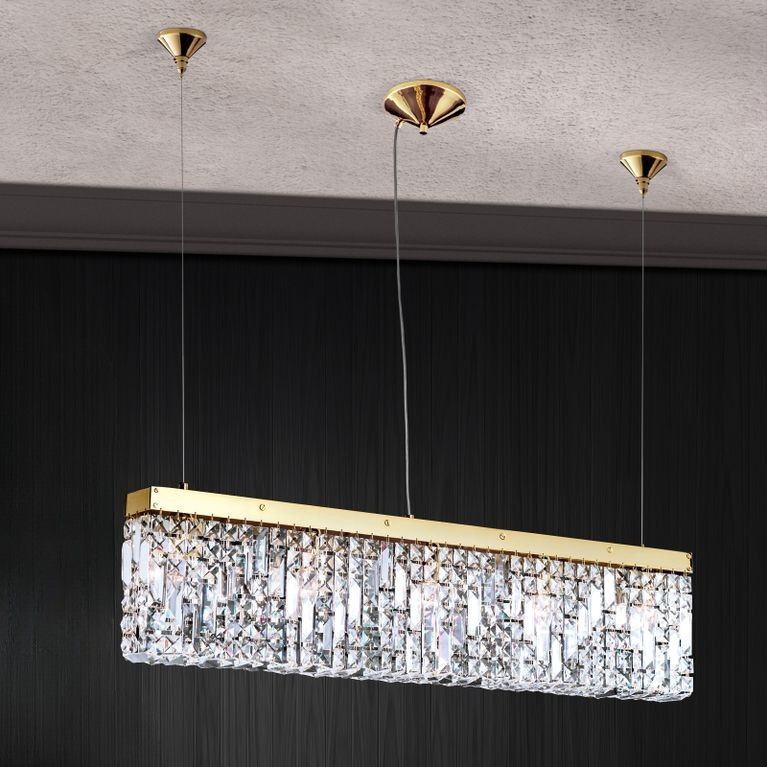
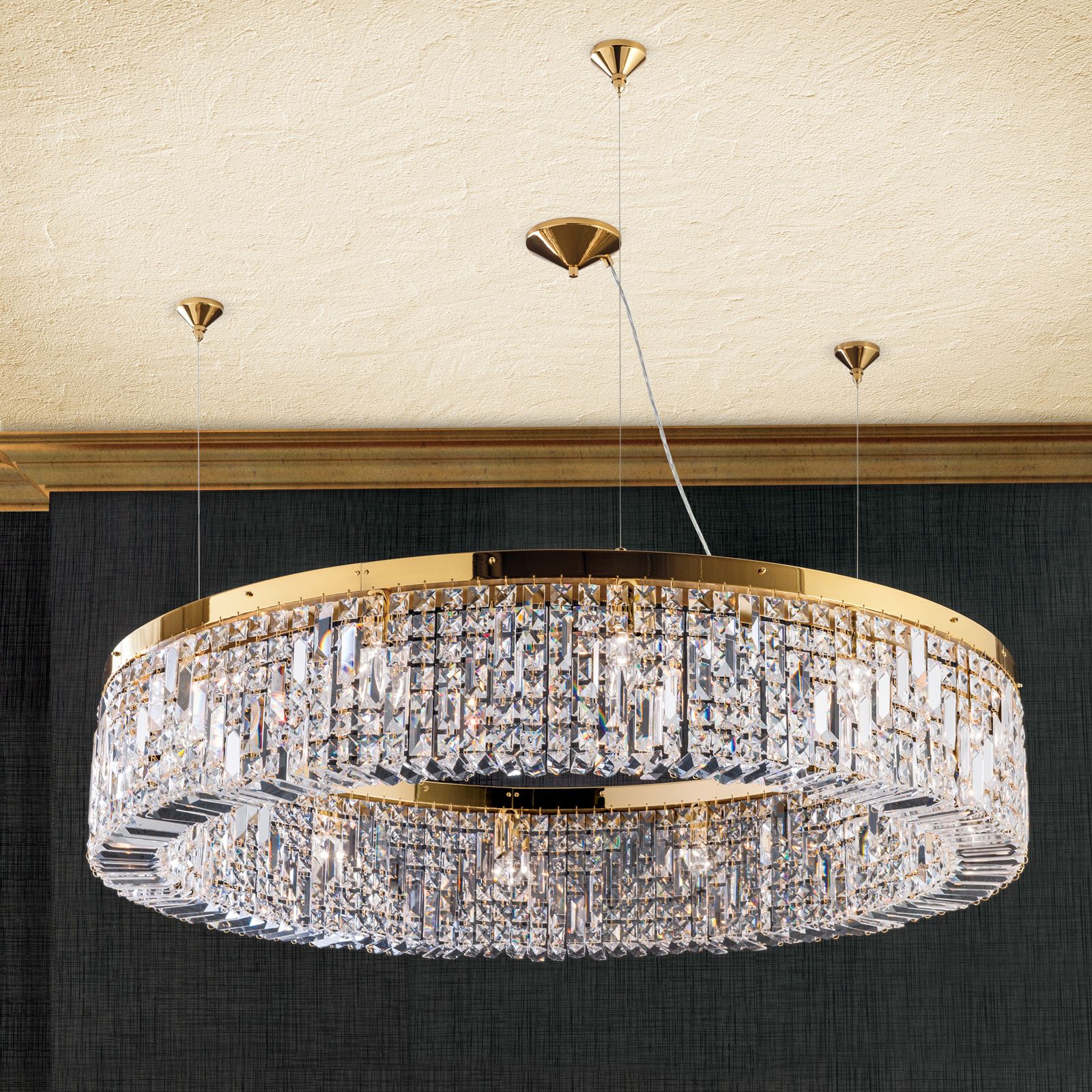
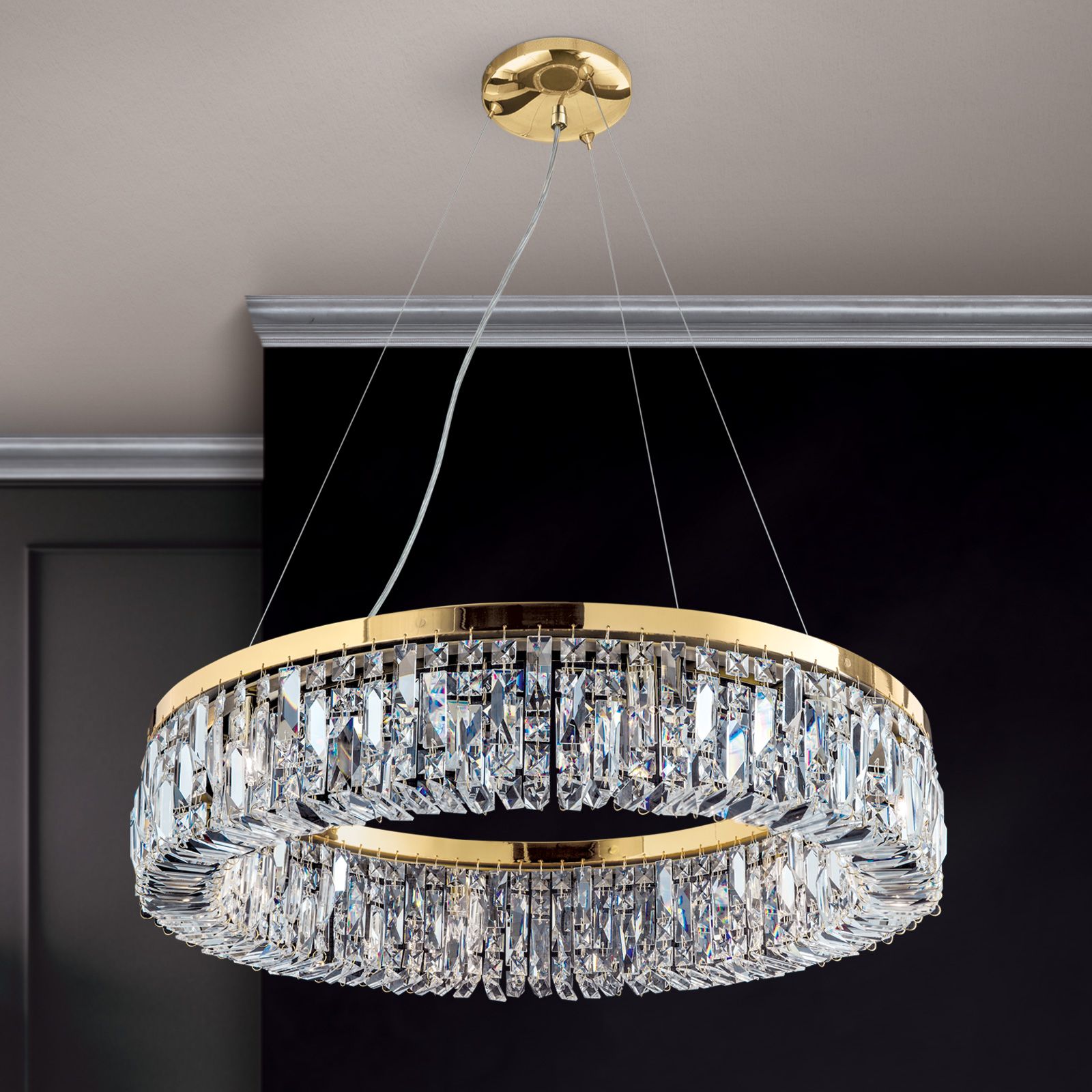
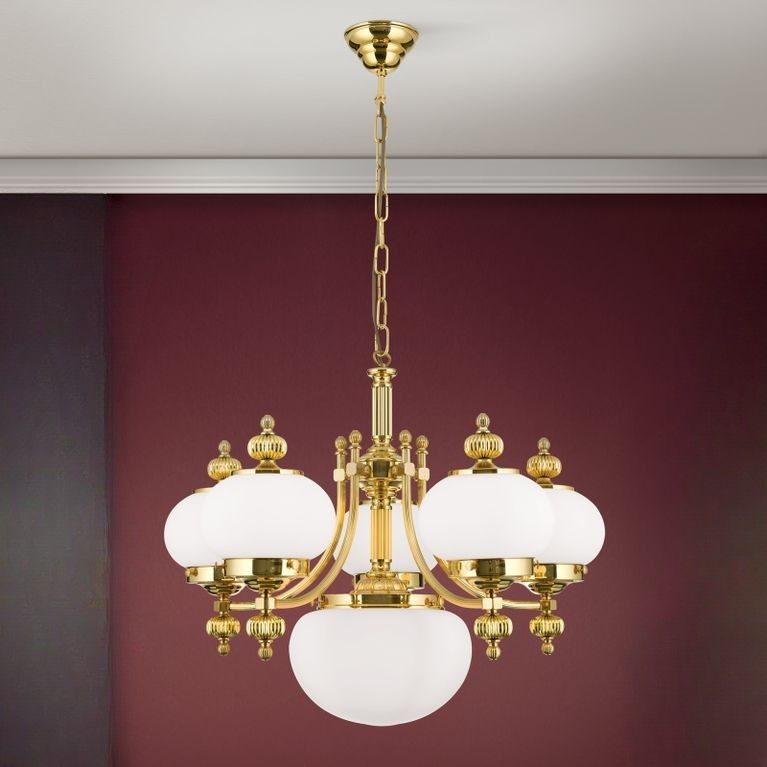
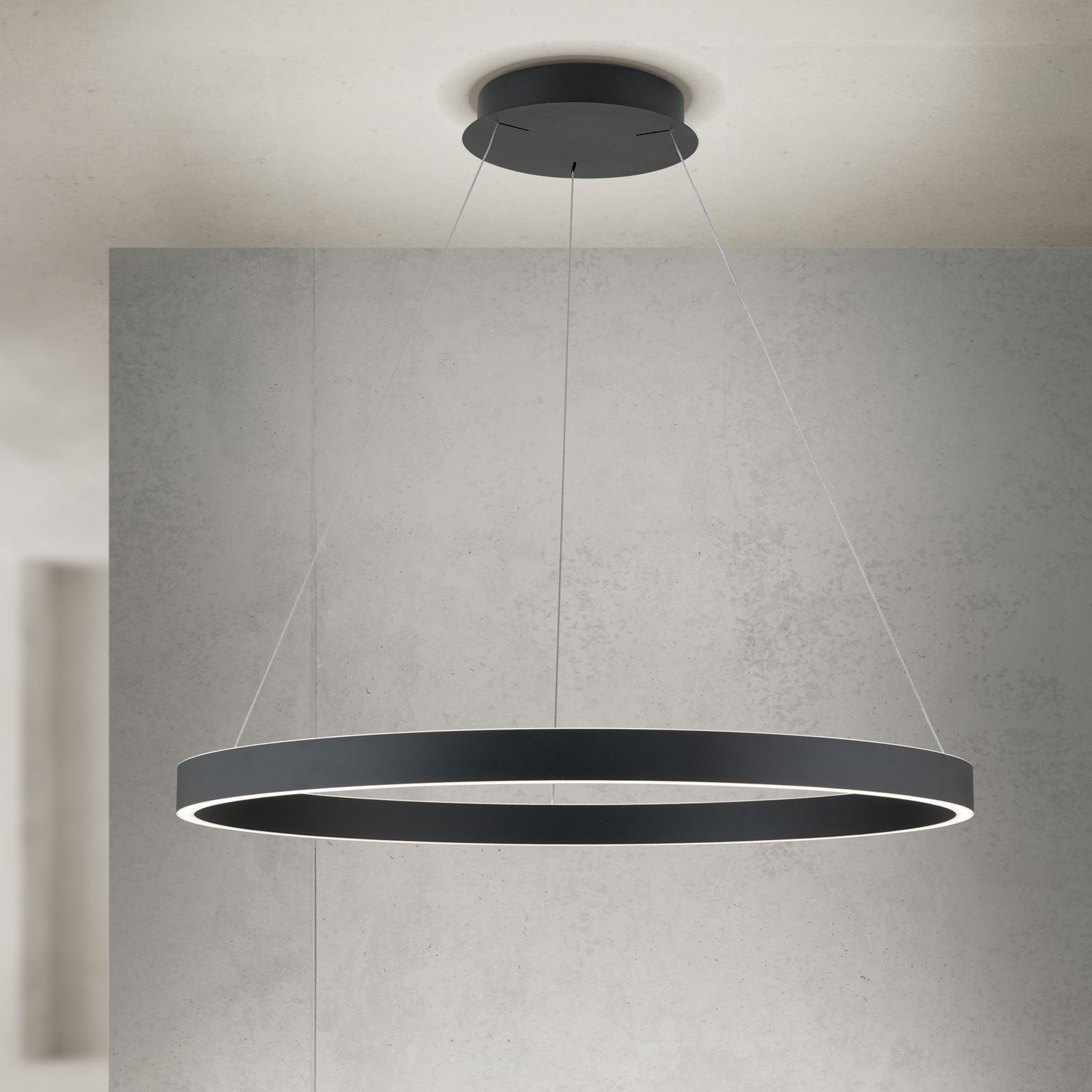
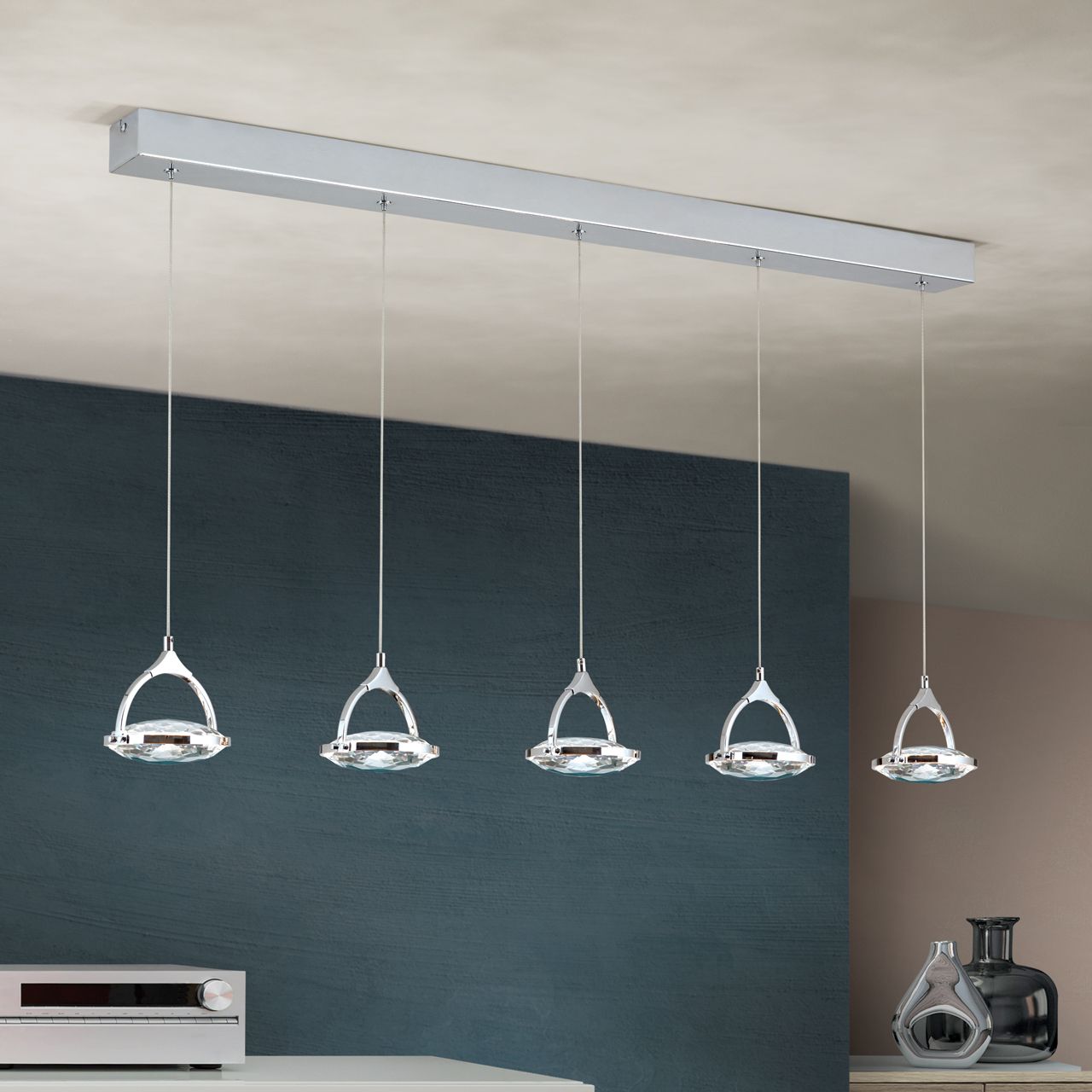
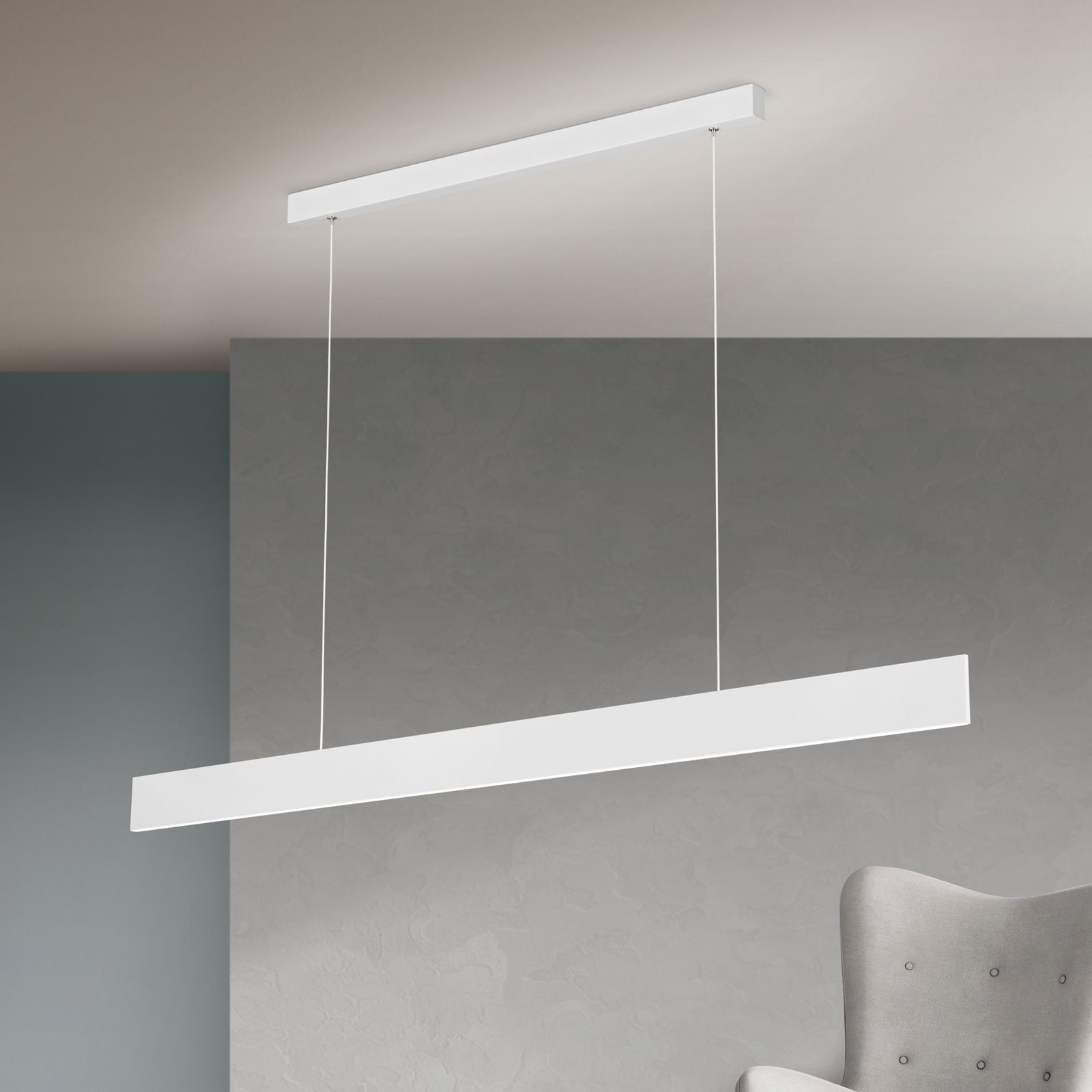
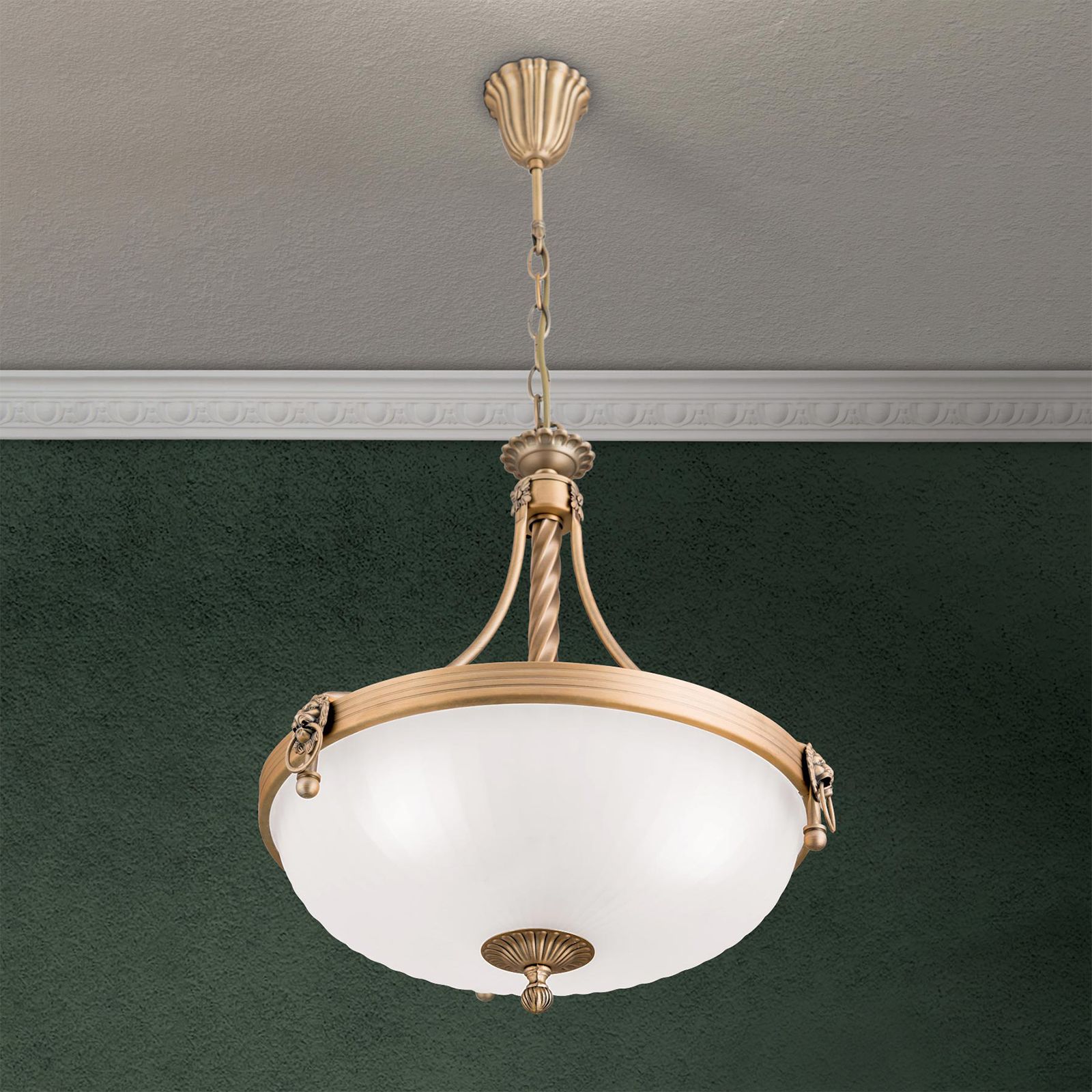
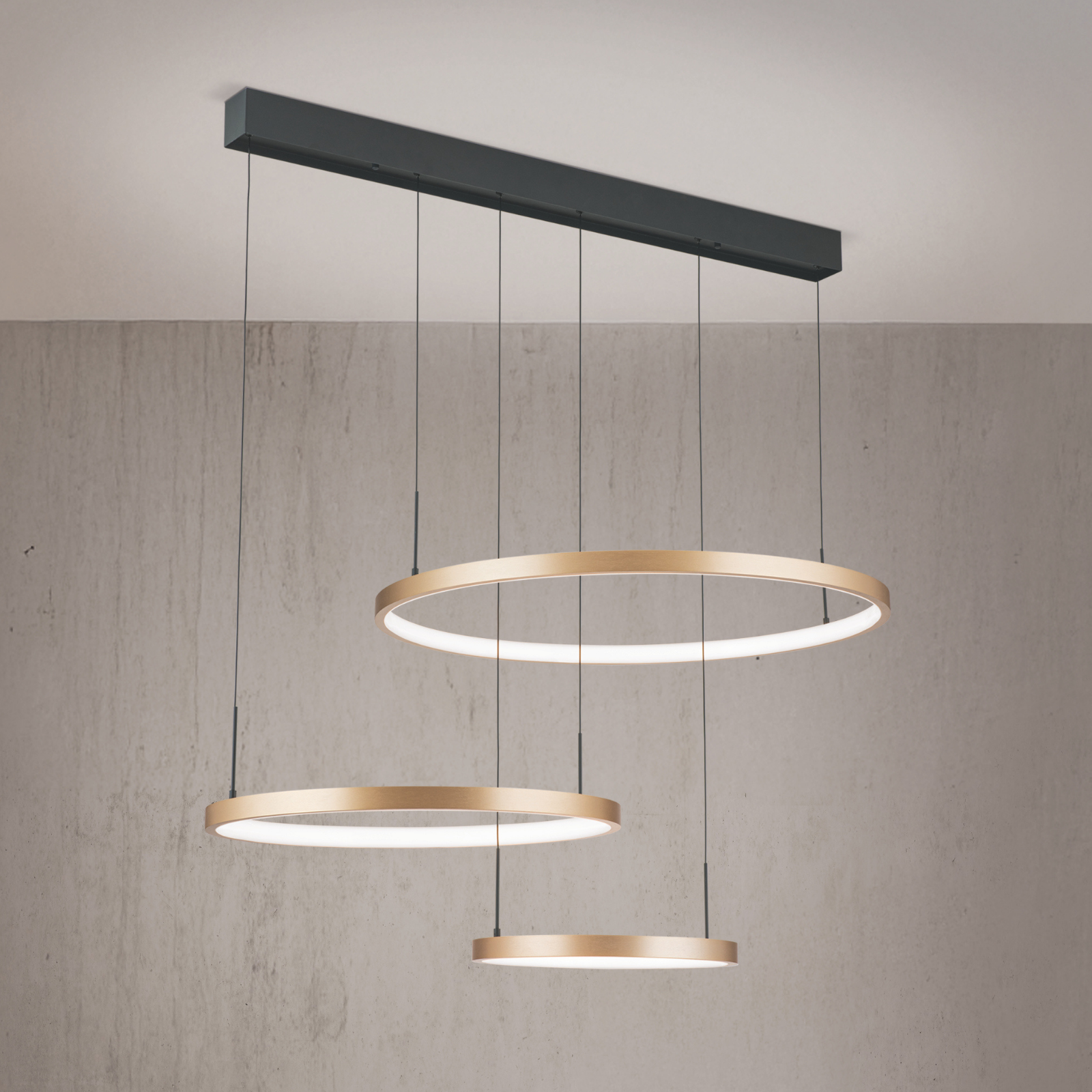
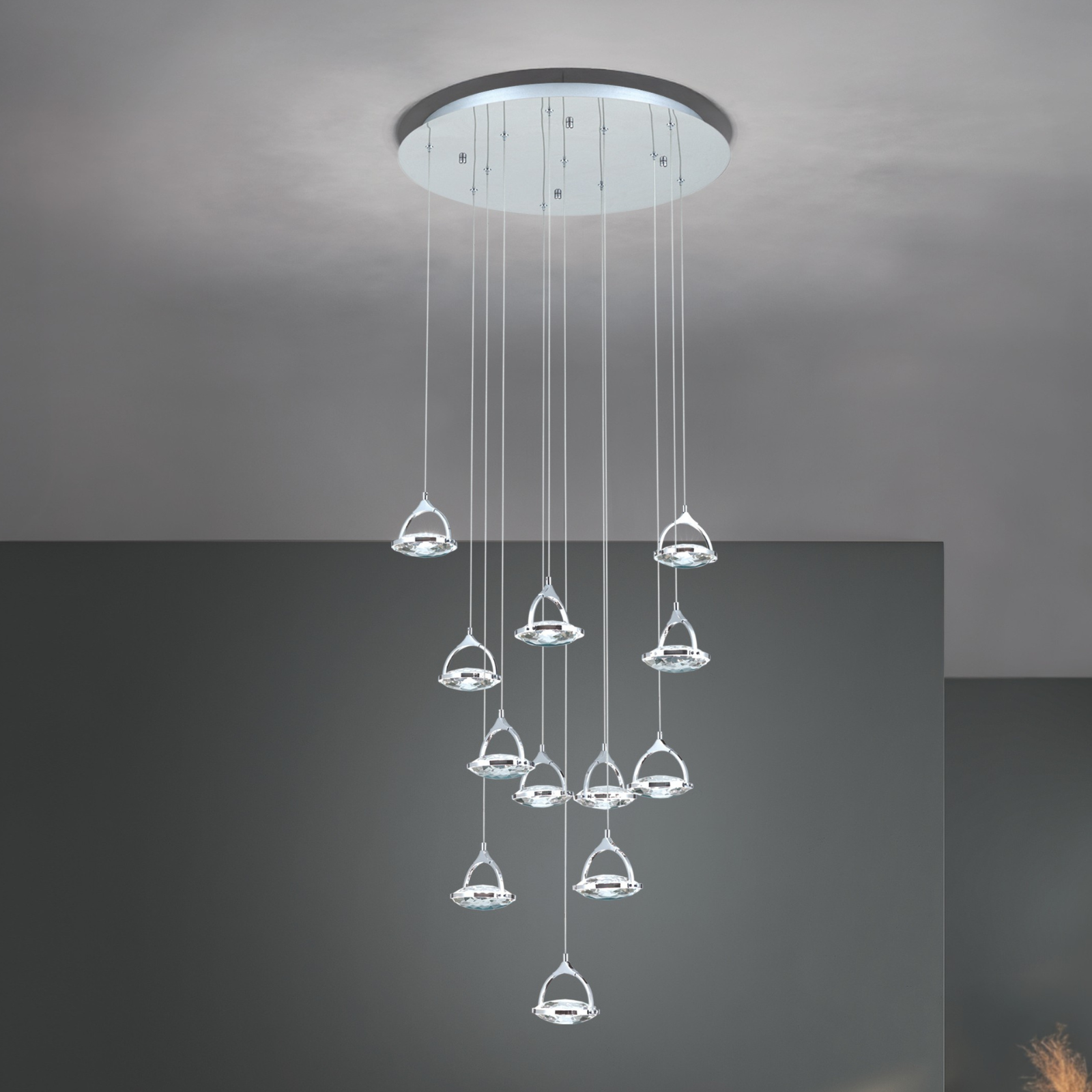
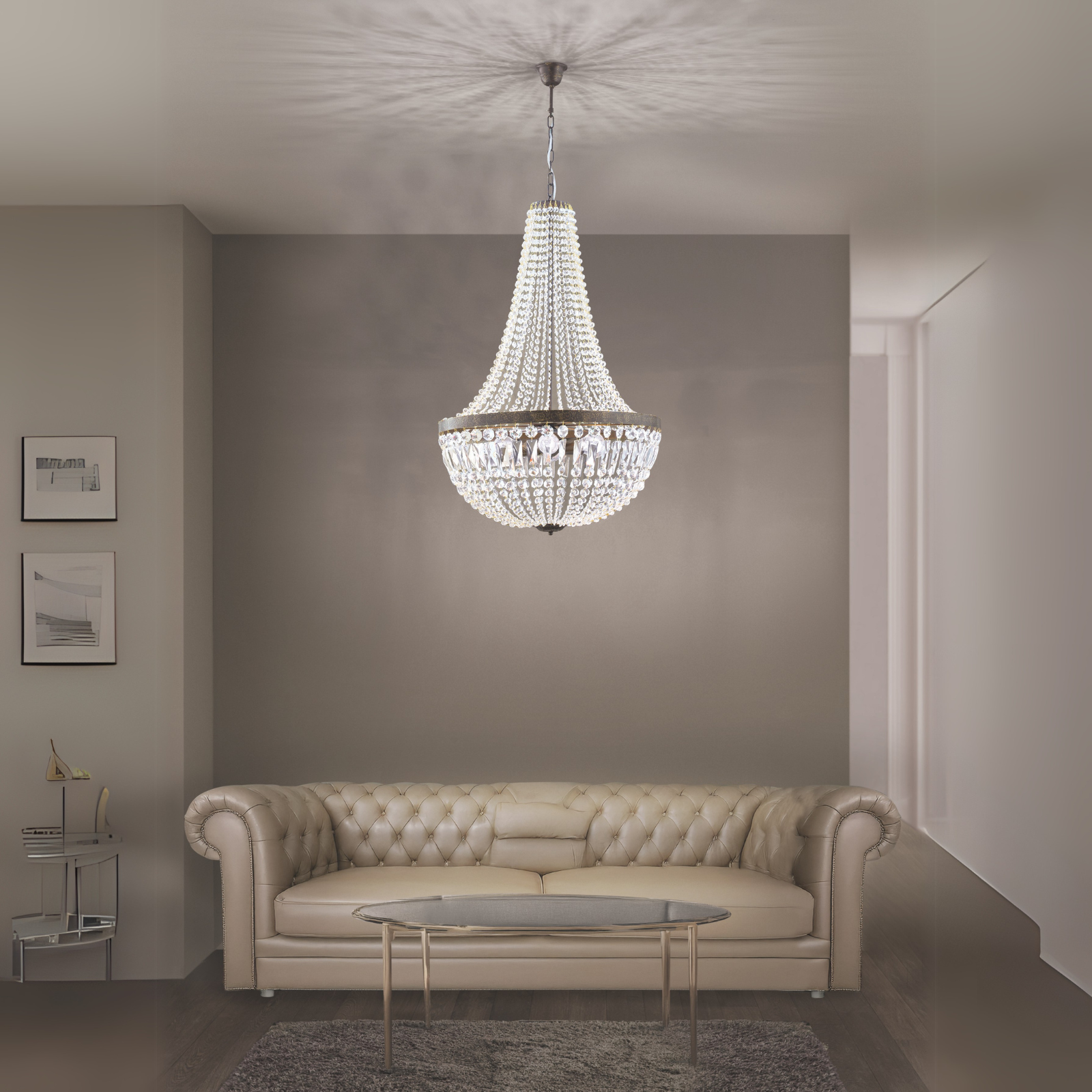
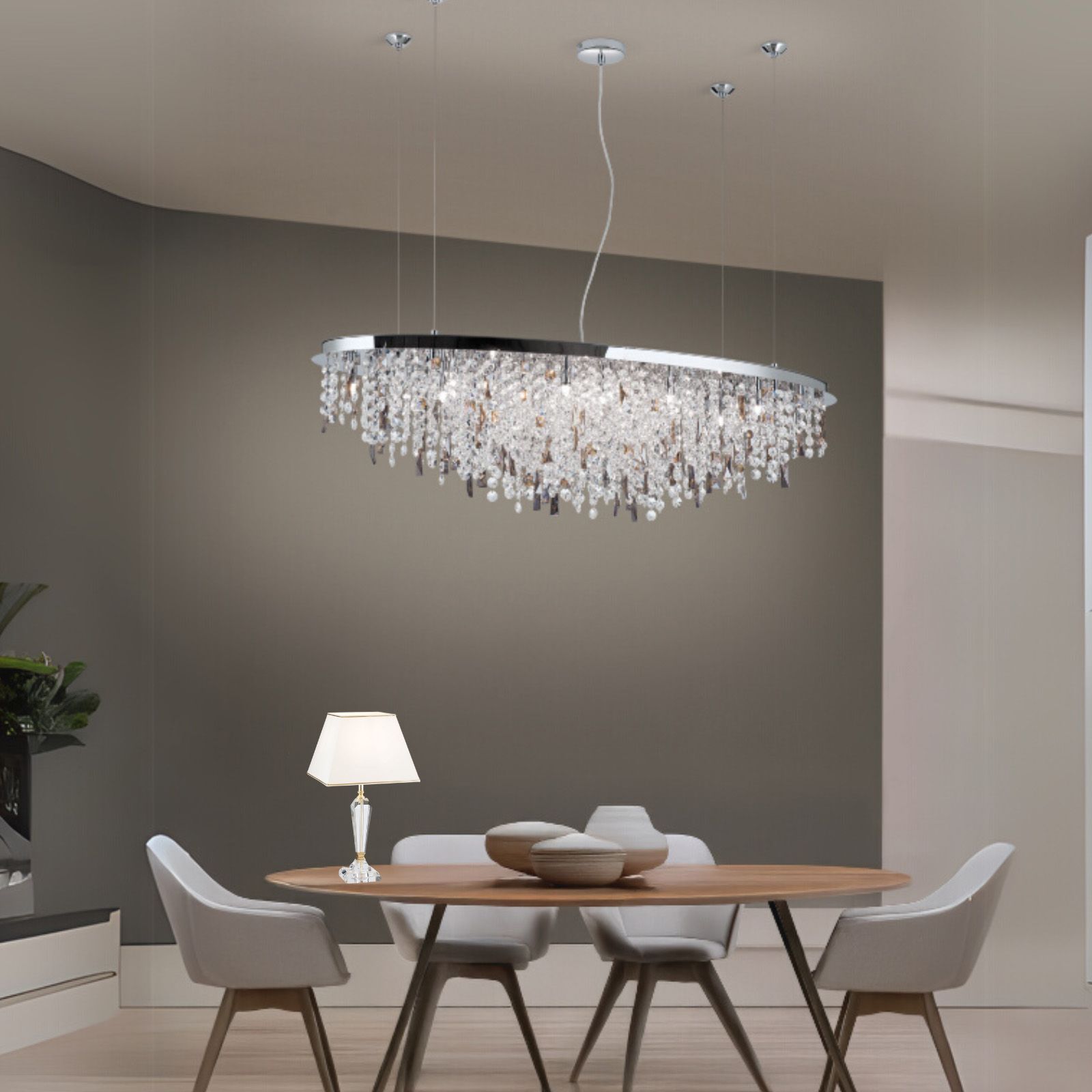
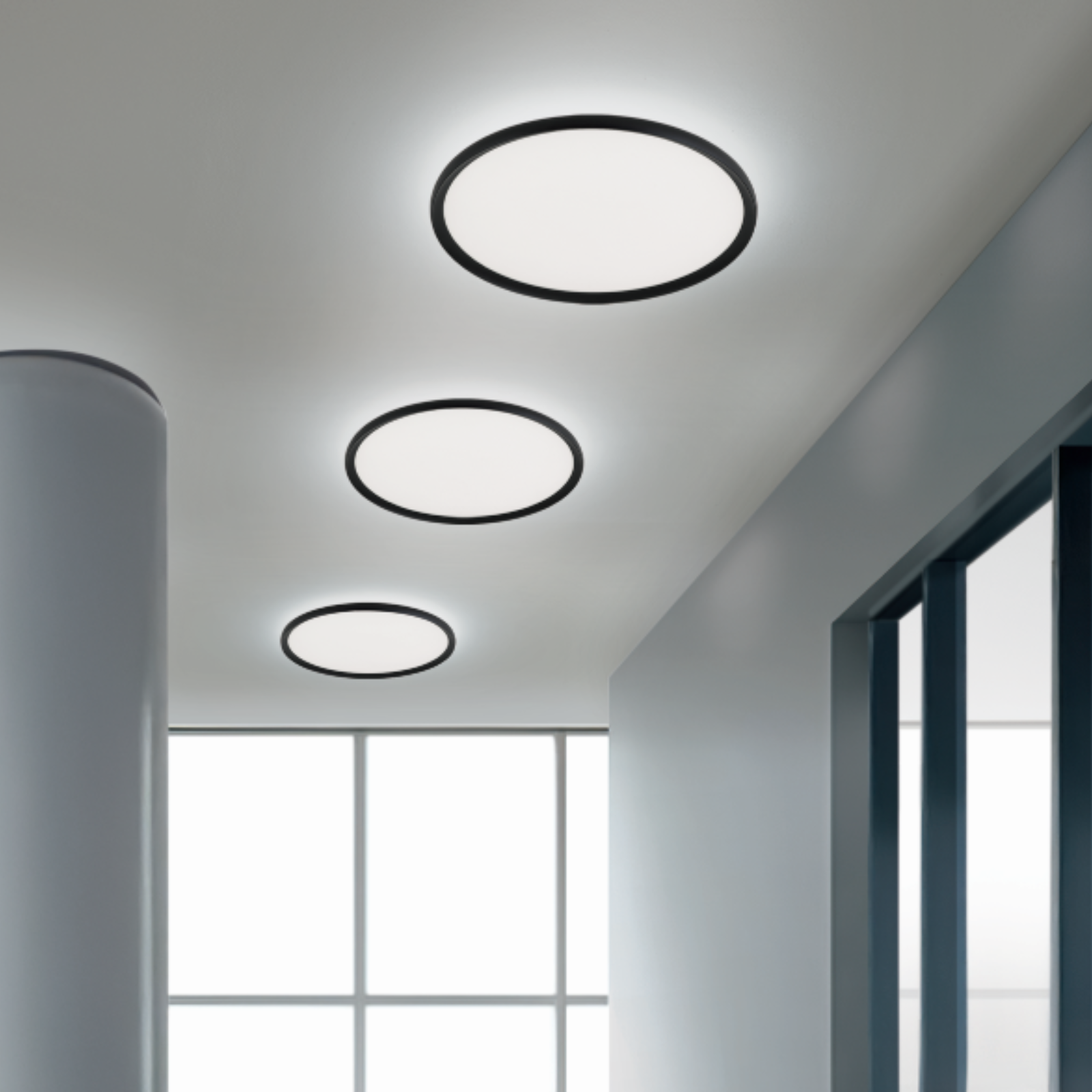
THE PENDANT LIGHT PLAYS A KEY ROLE IN MODERN INTERIOR DESIGN
THE PENDANT LIGHT - A TIMELESS CLASSIC
Guide: How to find the right pendant lamp
Pendant lights by type of lighting
- If the pendant luminaire has no shade or the shade is open, the light is emitted in all directions and thus provides basic illumination.
- An opaque metal shade that opens downwards directs the light only onto the surface below, while the surrounding area remains dark. This creates a particularly cosy atmosphere at the dining table.
- The advantage of frosted glass is that it creates a pleasantly soft light that does not dazzle.
The right height for pendant lights
- In the dining room above the dining table, the lowest point of the light should be at a distance of around 80 - 100 centimetres from the table surface. It is important that the light does not obstruct your view of the person sitting opposite you, that you do not bump your head when standing up and that it does not hang too low above the table.
- Height-adjustable lights have the advantage that the height can be varied depending on the application.
- The height of the pendant light is derived from the room height and can be calculated using a simple formula: Room height in centimetres / 4 = height of the pendant light in cm.
- To avoid hitting your head, you should keep a distance of at least 2 metres from the floor.
- Stairwells are often somewhat higher. Here, additional consideration should be given to transport and ideally a distance of at least 2.30 metres from the floor should be planned.
- In a reading corner or above the bedside table in the bedroom, a distance of 75 to 90 cm from the light fitting to the table or seat is a good idea.